Last week I shared thoughts on aging parents. Many of you wrote asking for more, particularly about the challenges of caring for a parent with dementia. It’s not an easy assignment, but here is a list of practical advice.
1. Start legal, financial, and medical planning now, not later.
The experts are emphatic on this: early planning reduces crisis-driven decisions. You need powers of attorney, advance directives, and banking access. Be aware of recurring bill payments. Have access to medical files. Have future care options written down.
2. Establish routines and simplify daily life.
Studies on “person-centred dementia care” show that routine lowers confusion and distress. Keep meals, medications, bathing, and bedtime at consistent times. It can help to use consistent cues when adjusting to new routines, like the introduction of a walker.
“The doctor asks you to use this new walker…” to which you’ve attached soft handgrips, a favourite photo, a name tag, or anything (safe) they suggest making it their own.
3. Modify the home for safety before problems escalate.
Because homes aren’t designed like care facilities, take steps to remove tripping hazards, add grab bars, and improve lighting. Use medication organizers. If wandering is a risk, use alarm or monitoring systems.
4. Learn how to respond to behavioural changes.
Caregivers in multiple studies reported less stress once they learned strategies for redirecting instead of arguing. That can include offering choices (not commands), using a calm voice and simple instructions, and knowing how to step back from power struggles.
When caregivers know that behaviour is disease-driven, not intentional, then it’s a matter of training, not stressful relationships.
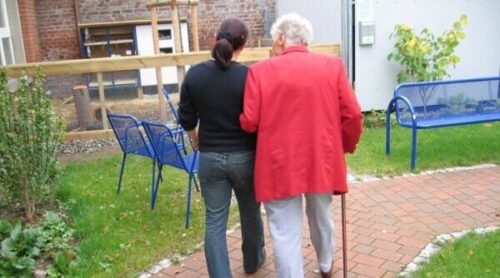
5. Share the load, formally and informally.
Research consistently shows caregivers who “go it alone” burn out first. Ask siblings, cousins, neighbours, or friends for help with specific tasks: a meal, an hour of supervision, a ride to an appointment. If people say, “Let me know how I can help,” respond with a concrete request. Use respite programs.
6. Keep medical professionals looped in, and don’t downplay symptoms.
Studies find that adult children often minimize behavioural or functional declines when speaking to doctors. Be factual and detailed: “When I visited last week, Mom left the stove on twice.” This allows physicians to adjust care, medications, or supports earlier, improving outcomes.
7. Monitor nutrition, hydration, and medication adherence.
Refusal to eat, dehydration, or skipped medications are common and linked with hospitalizations. Try smaller, more frequent meals, finger foods, hydration through soups, fruit, herbal teas, and even musical or lighting cues to announce meal and medication times.
8. Decide early which battles matter.
Caregivers reduce problems when they prioritize safety over perfection. If a parent refuses to change clothes daily but is otherwise calm and safe, let it go. Save energy for the things that truly matter, like wandering, falls, medication, financial risk, or self-neglect.
Support groups have experience identifying tips and tricks for solving the serious problems.
9. Prepare emotionally for “role reversal.”
Adult children struggle most when they become the decision-maker for a parent who once taught them independence. Acknowledge this shift. Talk about it with family or support groups.
It’s not a failure. It’s a transition the disease eventually demands of almost all families touched by dementia.
10. Protect your own health as rigorously as you protect your parent’s.
Caregiver stress and depression are among the strongest predictors of poor outcomes for both caregiver and parent. Self-care is not indulgence. It’s prevention. Get your own regular medical check-ups. Prioritize sleep, exercise, and social contact by having regular, dependable backup support.
More soon on knowing your personal health history, and how this can help.
This column offers opinions on health and wellness, not medical advice. Visit www.docgiff.com to learn more.
For comments, diana@docgiff.com. Follow on Instagram @diana_gifford_jones
~ Image by geralt from Pixabay