Good intentions, big consequences: Why responsible pet ownership matters this holiday season
If you’re thinking of gifting pets this holiday season, it’s important to ensure the new pet owner is prepared to properly care for the pet and understands the importance of not letting it loose. Aquarium life such as fishes, invertebrates, aquatic plants, reptiles, amphibians, or mammals can become invasive when released into natural environments.
When pets are given as gifts, the new owner may not be fully prepared for the long-term responsibility. If the animal later becomes too big or hard to care for, releasing it into nature may seem compassionate, but it can have long-term negative impacts.
Some impacts of pet release include reduced recreation benefit for activities like angling, increased costs for communities to manage infestations, and even human health risks.
“There is a misconception that releasing unwanted pets into the wild is a humane or viable solution,” says Colin Cassin, Executive Director at the Invasive Species Centre. “Unfortunately, this is not the case. When pets are released, they can have devastating impacts on native species, including species at risk, and can be costly to manage.”
Under the federal Aquatic Invasive Species Regulations, it is illegal everywhere in Canada to release an organism into a body of water where it is not native.
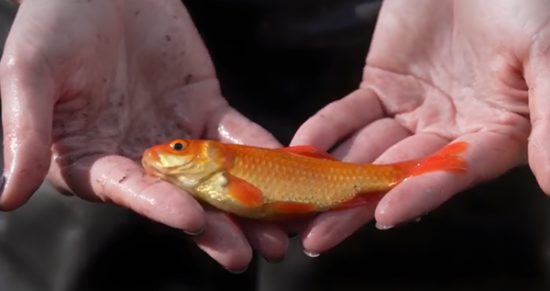
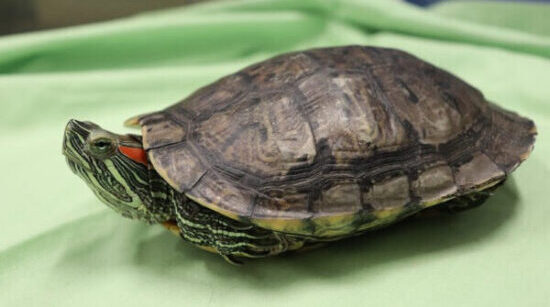
Red-eared sliders and goldfish are two pets that often become invasive when released. In the wild, these species are highly adaptable, have high reproductive rates, can outcompete native species for resources, and, in the case of goldfish, prey on native species.
Even when a pet is released with good intentions, it can jeopardize the ecological integrity of natural ecosystems, and the pet itself may not survive in the new environment.
The Invasive Species Centre recommends that people plan before taking on a new pet:
- Ensure pet owners are prepared for the long-term commitment.
- Choose reputable, ethical retailers.
- If an animal can no longer be cared for, don’t let it loose. Instead, contact a local rescue, find a rehoming program, or choose another responsible option.
Any sightings of invasive species should be reported to EDDMapS, iNaturalist, or to the Invading Species Hotline at 1 (800) 563-7711.